More than 8 years practicing regenerative medicine.
Maunna is a regenerative medicine and wellness center dedicated to optimizing your health and vitality through science and a comprehensive, patient-centered approach. We provide personalized, evidence-based treatments designed to promote prevention, support the body’s natural regenerative processes, and enhance overall well-being not just treat symptoms.
At Maunna, we combine science and wellness to help you prevent, regenerate, and thrive.
WHAT DOES IT DO?
What does regenerative medicine do?
Regenerative medicine works with the body's natural potential to restore balance and improve the function of tissues affected by wear and tear, injury, or inflammation. Instead of focusing solely on symptoms, it seeks to activate the body's biological repair mechanisms, helping the body to gradually regain its adaptability, mobility, and overall well-being.
WHO IS IT FOR?
Who is it for?
Regenerative medicine is an option for people seeking a more comprehensive approach to their health, whether to regain mobility, improve functional capacity, manage degenerative conditions, or support their long-term well-being. It may also be appropriate for those who prefer less invasive alternatives or wish to complement other medical treatments.
Every case is unique, so the first step is always a personalized medical assessment to determine whether this approach is appropriate and how it can be integrated into an individualized treatment plan.
TREATMENTS
Regenerative medicine is an innovative medical approach that supports the body's natural ability to repair and restore damaged tissues. Rather than focusing solely on symptom relief, it aims to improve function and promote long-term health. At Maunna, regenerative medicine is delivered through a comprehensive, patient-centered approach that recognizes the connection between physical health and overall well-being.
Our multidisciplinary model brings together specialties such as orthopedics to support joint and musculoskeletal recovery, interventional radiology to perform highly precise image-guided procedures, and dermatology to promote skin regeneration and improve skin quality.
- Stem cell therapies aim to stimulate the body's natural reparation and regeneration processes, promoting tissue recovery and improving cellular function. These therapies are integrated within personalized medical protocols that not only have in consideration the condition being treated, but also the patient's overall health, seeking for progressive and sustainable results over time.
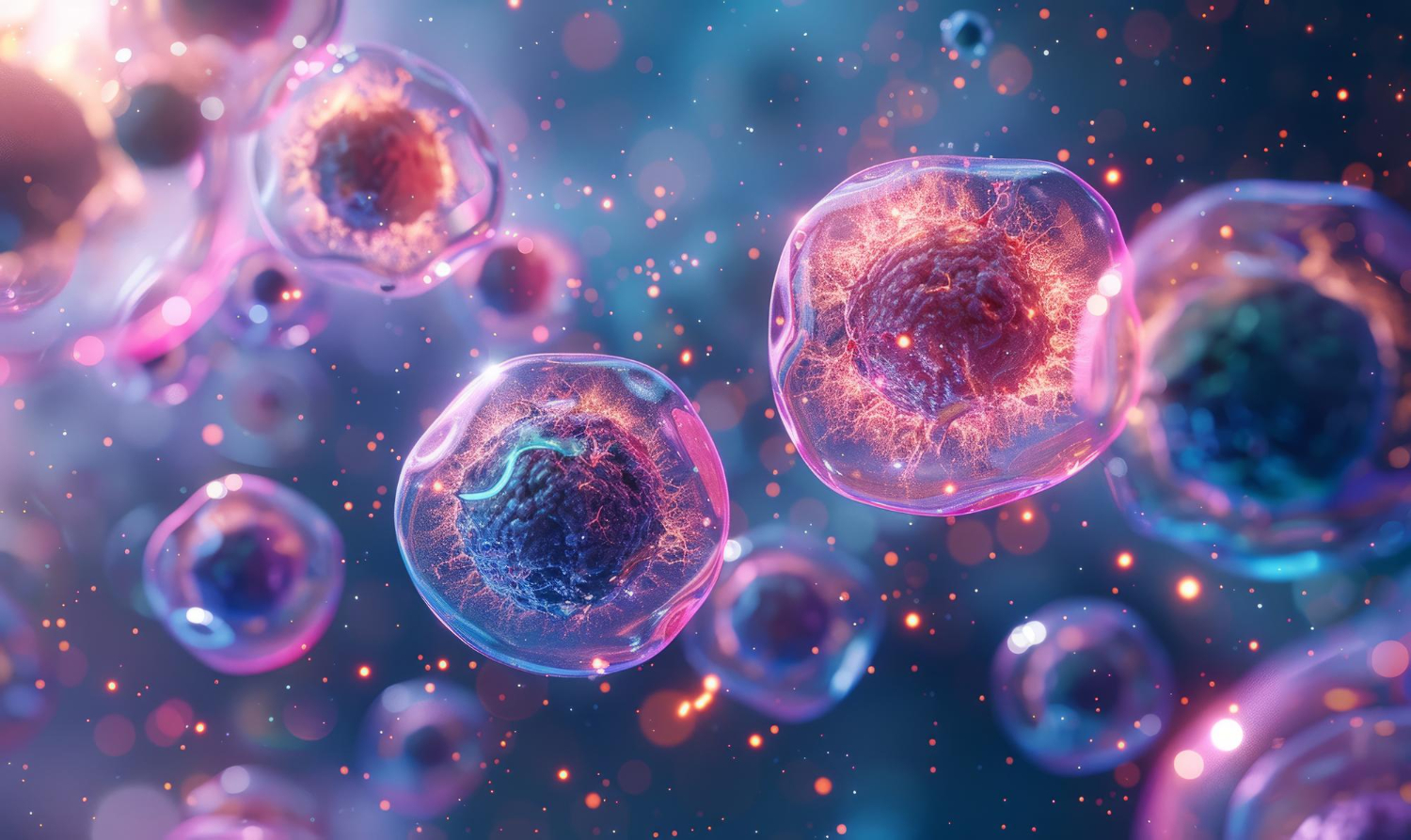
Exosomes are naturally occurring biological structures that play an important role in communication between cells. They influence key processes involved in tissue repair, inflammation regulation, and the body's adaptative responses. In regenerative medicine, exosomes are used to help optimize the cellular environment, support the body's natural recovery processes and promote overall tissue function and balance.
- Anti-aging and aesthetic medicine focuses on preserving cellular function, enhancing skin quality, and promoting healthy aging. Through personalized treatment plans, the goal is to maintain a refreshed, natural appearance while supporting overall health and well-being. Every treatment is designed to achive subtle, harmonious, and natural-looking results that respect each patient's unique features.
Regenerative medicine for the joints and spine is designed to improve function, reduce inflammation, and support the body's natural repair of tissues affected by aging, injury, or overuse. Treatments such as platelet-rich plasma (PRP), stem cell therapies, and other regenerative protocols work by stimulating the body's own biological repair mechanisms to encourage gradual recovery.
These therapies are commonly used to treat conditions affecting the knees, shoulders, hips, elbows, ankles, and the cervical and lumbar spine, where degeneration, injury, or chronic pain may limit mobility and quality of life. Many procedures are performed under ultrasound guidance to ensure precise placement of the treatment and maximize accuracy.
At Maunna, regenerative therapies are delivered through a comprehensive, patient-centered approach that considers not only the affected joint or spine, but also the factors that influence long-term recovery, including movement, systemic inflammation, and lifestyle. The goal is to help patients regain mobility, reduce pain, and achive lasting functional improvement.
Frequently Asked Questions
What is regenerative medicine?
Regenerative medicine is a medical approach that seeks to repair, restore or improve the function of tissues and organs affected by aging, injuries, or disease. To achive this, it uses biological therapies such as cells, growth factors, or components derived from the body itself, with the aim of stimulating the body's natural recovery processes.
What types of conditions or situations can regenerative medicine treat?
Regenerative medicine is primarily used to support the treatment of musculoskeletal injuries, joint pain, inflammatory processes, and degenerative conditions, particularly in areas such as the knees, shoulders, hips, and spine. It may also be incorporated into rehabilitation and functional recovery programs, as well as comprehensive wellness plans, depending on each patient’s medical evaluation.
Do these treatments replace surgery or traditional medical treatments?
No. Regenerative medicine does not automatically replace surgery or other conventional medical treatments. In some cases, it may serve as an alternative or complement, helping to improve symptoms or even delay more invasive procedures, but it always depends on the diagnosis and individual medical evaluation.
When do you start to see results?
Results are usually gradual, since they depend on the body's natural regeneration processes. In many cases, improvement can begin to be noticeable after a few weeks and continue to develop over time, especially when accompanied by medical follow-up and healthy lifestyle habits.
Learn more
Science + Humanity + Trust

Contact
Would you like more information or to schedule an appointment?
We are located inside Alhama Tower.
Send us your questions or comments.
We are located inside Alhama Tower.